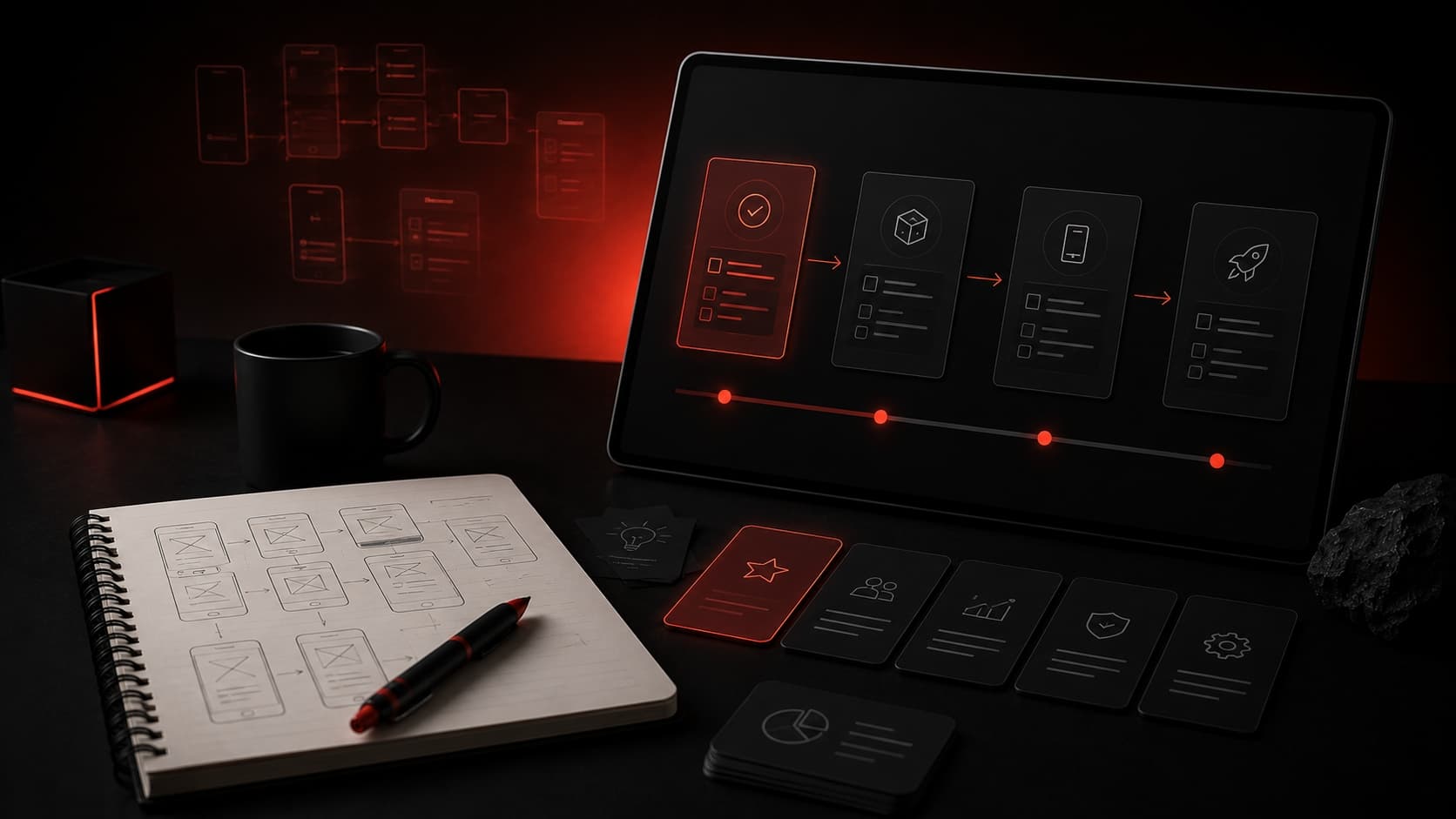
How to plan a software MVP before writing code
A practical guide to defining the smallest useful version of your product before development begins.
A strong MVP starts before the first line of code. The goal is to define the smallest useful product that can prove the business idea, support real users, and create a clear path for future development.
At Brainstrom24, we begin with goals, user roles, core workflows, feature priority, and technical risk. This keeps the first version focused and prevents the product from becoming expensive before it becomes useful.
The first version should not try to satisfy every possible user. It should help the most important user complete the most important task with confidence.
When the scope is clear, design and development become faster because every screen, field, and feature has a reason to exist.
“Good software scope is not smaller ambition. It is sharper focus.”
Key takeaways
What you should remember
Start with the business problem before listing features.
Define the main user role and the exact workflow they need to complete.
Separate must-have launch features from future improvements.
Plan data, permissions, and support needs before development starts.
What to define first
The primary business goal
User roles and permissions
The must-have workflow
Success metrics for launch
Common MVP planning mistakes
Starting with a long feature list instead of one user journey
Ignoring admin workflows until the end of development
Building advanced features before validating the core offer
Skipping analytics, onboarding, and support planning
Turn the idea into a product map
Before UI design, write the product in plain language. This creates a shared understanding between the business owner, designer, and developer.
Write the target user, the problem, and the expected result in one short statement.
Draw the main flow from landing or login to the final successful action.
List the data each screen needs so backend planning starts early.
Prioritize by launch value
Every feature should be judged by whether it helps the first version become usable, testable, or sellable.
Keep features that users need to complete the core action.
Move nice-to-have filters, settings, and automations into a second phase.
Protect time for testing, mobile polish, deployment, and feedback collection.
Practical checklist
Use this before you build
One clear target user is defined
Core workflow is mapped from start to finish
Admin or team workflow is included
Feature list is separated into launch and later phases
Data fields and permissions are written down
Launch success metric is measurable
Next steps
How to move forward
Create a one-page scope with goals, users, and features.
Design the main screens before adding secondary features.
Build, launch, measure feedback, and improve the next version.
Need help?